
To rank on search engines, you need backlinks. But how many exactly?
Understanding the number of backlinks required to rank can be tricky. It depends on several factors, including the competition, the quality of your content, and the authority of your site. Backlinks act like votes of confidence from other sites. The more you have, the better your chances to rank higher.
But not all backlinks are equal; quality matters more than quantity. In this post, we will explore how many backlinks you might need to rank well, considering different scenarios and strategies. So, let’s dive into the world of backlinks and find out what works best for your site.
The Importance Of Backlinks
Backlinks are one of the most crucial elements in the world of SEO. They can significantly impact your website’s ranking on search engines. Understanding the importance of backlinks can help you create a more effective SEO strategy.
Why Backlinks Matter
Backlinks, also known as inbound links, are links from other websites to your site. Search engines view these links as votes of confidence. The more high-quality backlinks you have, the more credible your site appears.
Think of backlinks like recommendations. If many reputable sites link to yours, search engines assume your content is valuable and relevant. This can lead to higher rankings in search results.
Impact On Seo
Backlinks play a crucial role in SEO. They help search engines understand the context and authority of your site. A strong backlink profile can boost your site’s visibility.
Having a variety of backlinks from different domains is also beneficial. This diversity shows search engines that your content is widely recognized and trusted. However, quality trumps quantity. A few high-quality backlinks from authoritative sites are better than many low-quality links.
Wondering how to get these valuable backlinks? Start by creating high-quality content that others want to link to. Reach out to industry influencers and collaborate with other websites. The effort you put into building backlinks will pay off in improved search rankings.
Types Of Backlinks
Backlinks are essential for SEO. They can help your site rank higher. Not all backlinks are equal. Different types of backlinks affect your ranking differently.
Dofollow Vs Nofollow
Dofollow backlinks pass authority from one site to another. They help improve your site’s search engine ranking. Nofollow backlinks do not pass authority. They tell search engines not to follow them. While they do not directly help with SEO, they can bring traffic.
High-quality Vs Low-quality
High-quality backlinks come from reputable sites. They have high domain authority. These backlinks are valuable for SEO. They boost your site’s credibility. Low-quality backlinks come from less reputable sites. They have low domain authority. These backlinks can harm your SEO. Avoid spammy, irrelevant sites for backlinks.
Determining The Number Of Backlinks
Determining the number of backlinks needed to rank can be challenging. It depends on various factors, including the competitiveness of your niche and industry standards. Understanding these elements can help you create a strategy that improves your website’s ranking.
Competitive Analysis
Competitive analysis involves examining the backlink profiles of top-ranking websites in your niche. Identify the number of backlinks they have and the quality of those links. Tools like Ahrefs and SEMrush can assist in gathering this data. Compare your website’s backlink profile to understand gaps and opportunities.
Industry Benchmarks
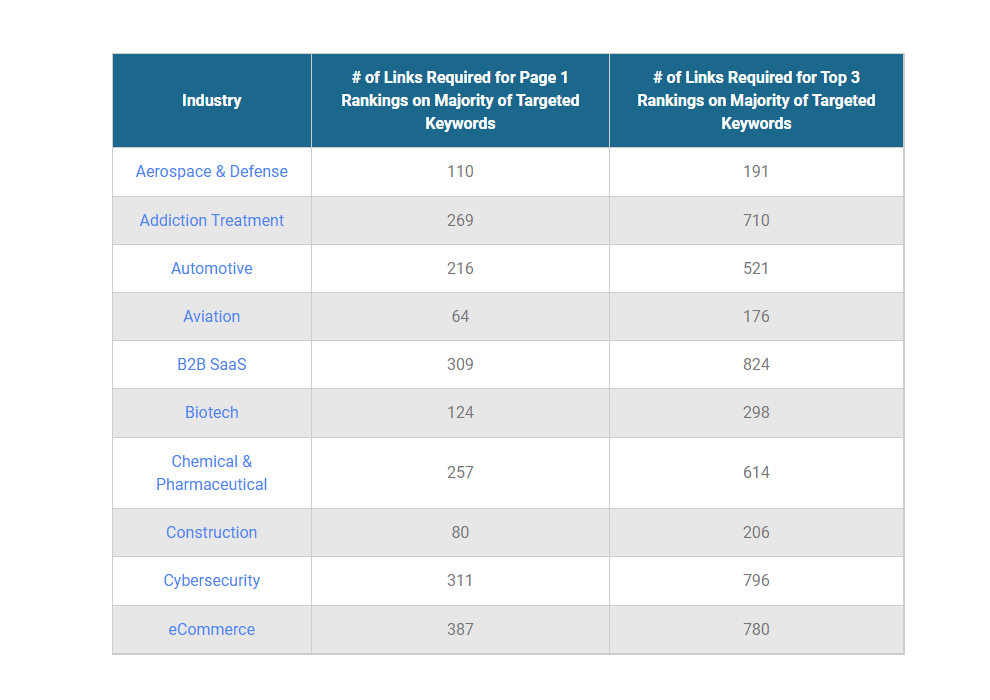
Industry benchmarks provide average numbers for backlinks within a specific sector. These benchmarks can guide you in setting realistic goals. For example, if the top-ranking pages in your industry have 100 backlinks, aim for a similar number. Remember that quality matters more than quantity. Focus on acquiring backlinks from reputable sources.
Quality Over Quantity
Quality backlinks matter more than the quantity. Focus on obtaining high-authority links to boost your ranking. Aim for relevance and credibility over sheer numbers.
When it comes to building backlinks, you might be tempted to think that more is better. However, the mantra of “quality over quantity” should be your guiding principle. Not all backlinks are created equal, and a few high-quality ones can do much more for your site than hundreds of low-quality links.Authority Sites
Links from authority sites carry significant weight. Think about reputable news websites, educational institutions, or well-known industry blogs. These sites are trusted by both users and search engines. Securing a backlink from an authority site can significantly boost your site’s credibility. Imagine if a leading industry expert mentions your blog in their article. Not only do you get a strong backlink, but you also gain exposure to a wider, more engaged audience. Getting backlinks from these sites isn’t easy. But it’s worth the effort. Focus on building genuine relationships and producing top-notch content that these sites would want to link to.Relevance
Relevance is another crucial factor. A backlink from a site in your industry or niche is far more valuable than one from an unrelated site. Search engines look at the context of the linking site to determine the relevance of the link to your content. For example, if you run a fitness blog, a backlink from a health and wellness site will be more beneficial than one from a tech blog. Relevant links tell search engines that your content is trustworthy within your industry. Think about your own web browsing habits. Would you trust a recommendation about fitness equipment from a tech blog, or from a fitness expert? The same logic applies to backlinks. In summary, focus on getting backlinks from authority and relevant sites. High-quality links from these sources will elevate your rankings more than a multitude of random links. Concentrate on creating valuable content and building genuine relationships, and the right backlinks will follow.Tools For Backlink Analysis
Discovering the right number of backlinks is essential for ranking. Use backlink analysis tools to evaluate your website’s backlink profile and compare it with competitors. This helps determine how many quality backlinks you need for better search engine rankings.
Backlinks are crucial for any SEO strategy. But how do you know if you have enough? Analyzing your backlinks can give you the answers you need. With the right tools, you can uncover valuable insights about your backlink profile. Let’s dive into the best tools for backlink analysis.Popular Seo Tools
Several tools can help you analyze your backlinks. Some of the most popular ones include:- Ahrefs: Known for its extensive backlink index and user-friendly interface.
- SEMrush: Offers a comprehensive backlink audit feature.
- Moz: Provides a detailed link explorer tool.
- Majestic: Focuses on backlink history and trust flow metrics.
How To Use Them
Using these tools is straightforward. Here’s a quick guide:- Ahrefs: Enter your website URL in the Site Explorer. Navigate to the “Backlinks” section to see your referring domains. Check the “New” and “Lost” tabs to track backlink changes over time.
- SEMrush: Input your domain in the search bar. Go to the “Backlink Analytics” section. Review your backlink profile, noting the referring domains and their authority scores.
- Moz: Use the Link Explorer by typing in your URL. Analyze the inbound links and note the spam score to ensure link quality. Look for opportunities to disavow toxic links.
- Majestic: Enter your website in the search box. Check the “Backlink History” to see trends over time. The “Trust Flow” and “Citation Flow” metrics give you a sense of link quality.

Credit: www.youtube.com
Strategies For Earning Backlinks
Building backlinks is essential for improving your website’s ranking on search engines. But how many backlinks do you really need to rank? The number isn’t as important as the quality and relevance. To help you earn effective backlinks, here are some strategies you can implement right away.
Content Marketing
Creating valuable content is a powerful way to earn backlinks. When you produce high-quality, engaging articles, other websites will naturally want to link to your content.
Focus on writing about topics that provide real value to your readers. Use data, personal stories, and actionable advice to make your content stand out.
Consider adding infographics, videos, and original research. These types of content are highly shareable and can attract more backlinks.
Guest Blogging
Guest blogging is another effective strategy for earning backlinks. By writing articles for other websites, you can include a link back to your own site. This not only helps with backlinks but also exposes your content to a new audience.
To get started, identify reputable blogs in your niche. Reach out to them with a well-thought-out pitch. Offer content that is relevant to their audience.
Make sure your guest posts are of high quality. This will increase the chances of the host site accepting your post and giving you that valuable backlink.
Have you ever tried guest blogging or content marketing for backlinks? What was your experience like?
Monitoring Backlink Performance
Monitoring backlink performance is crucial to understanding how your SEO efforts are paying off. Just having a bunch of backlinks isn’t enough. You need to know which ones are working, which ones aren’t, and how to tweak your strategy for better results. Let’s dive into how you can effectively monitor your backlinks.
Tracking Tools
To keep tabs on your backlinks, you need the right tools. Tools like Ahrefs, Moz, and SEMrush are excellent for this purpose. They provide you with detailed reports on your backlinks.
Using these tools, you can see where your backlinks are coming from, their quality, and how they impact your rankings. For instance, Ahrefs gives you a breakdown of all the websites linking to you, along with their domain authority.
This information is crucial. It helps you identify which backlinks are boosting your rankings and which ones might be harming them.
Key Metrics
While monitoring backlinks, focus on key metrics. One of the most important is Domain Authority (DA). Higher DA sites linking to you can significantly boost your rankings.
Another critical metric is the Anchor Text. The text used in the backlink should be relevant to your target keywords. This helps search engines understand the context of the link.
Also, consider the Number of Linking Root Domains. Having 100 links from 100 different websites is far more beneficial than 100 links from the same site. It shows that a wide range of sources find your content valuable.
Lastly, track your Referral Traffic. Are these backlinks bringing in visitors? If not, you might need to reassess their value.
Regularly monitoring these metrics helps you fine-tune your backlink strategy. It’s not just about quantity but quality and relevance.
Are you tracking your backlinks? If not, you might be missing out on valuable insights that could boost your SEO efforts significantly.
Common Backlink Pitfalls
Building backlinks is crucial for SEO. Yet, mistakes in this process can harm your rankings. Understanding common backlink pitfalls helps avoid these mistakes.
Avoiding Spammy Links
Spammy links can damage your site’s reputation. These links often come from low-quality sites. They might also come from link farms or unrelated websites.
Google penalizes sites with spammy backlinks. Focus on getting links from reputable sources. Quality matters more than quantity. Natural, relevant links work best.
Staying Within Guidelines
Search engines have strict backlink guidelines. Breaking these can lead to penalties. Avoid buying links. It is against Google’s guidelines. Paid links often lack quality.
Do not use automated link-building tools. They create unnatural link patterns. This can trigger a penalty. Instead, engage in organic link-building. Create valuable content people want to link to.
Guest posting on reputable sites is a good strategy. Just ensure the content is relevant. Always follow search engine guidelines. This keeps your link-building efforts safe.
Case Studies
Case studies provide real-world insights into how many backlinks are needed to rank. Each study shows different strategies and outcomes. The results vary based on industry, competition, and SEO tactics.
Successful Seo Campaigns
One case study involved a local bakery aiming to rank higher. They built 50 quality backlinks over three months. The bakery’s website moved from page four to page one for their main keyword. This shows that local businesses can benefit from a focused backlink strategy.
Another case study featured an e-commerce site selling electronics. They acquired 200 backlinks from reputable tech blogs. The site saw a significant boost in rankings. Their organic traffic increased by 150% within six months. This highlights the power of backlinks from industry-specific sites.
Lessons Learned
Quality matters more than quantity. Backlinks from relevant, high-authority sites have a bigger impact. The case studies showed that consistent efforts yield results. Patience is key. Quick wins are rare in SEO. It’s about long-term growth and stability.
Don’t ignore local SEO. Local backlinks can be very effective for small businesses. Tailor your strategy to your industry and goals. The right approach varies for each niche. Learn from successful campaigns. Apply those lessons to your own SEO efforts.

Credit: thelinksguy.com

Credit: www.searchlogistics.com
Frequently Asked Questions
How Many Backlinks Do I Need To Rank Per Day?
There isn’t a set number of backlinks needed per day to rank. Focus on quality over quantity.
Is 1000 Backlinks Good?
Having 1000 backlinks can be beneficial if they are from high-quality, relevant sites. Quality matters more than quantity.
Is Getting 100 Backlinks From 100 Different Websites Better For Ranking?
Yes, getting 100 backlinks from 100 different websites is better for ranking. Diverse backlinks boost authority and improve SEO.
Do I Need Backlinks To Rank?
Yes, backlinks are essential for ranking. They increase your site’s authority and improve search engine visibility.
Conclusion
Achieving a high rank needs quality backlinks. Focus on natural link building. Remember, it’s not just about quantity. Relevance and authority matter too. Consistently monitor your backlink profile. Avoid spammy links that can harm your site. Patience and persistence are key.
Regularly update your content for better results. Aim for steady growth, not overnight success. The right strategy will pay off.